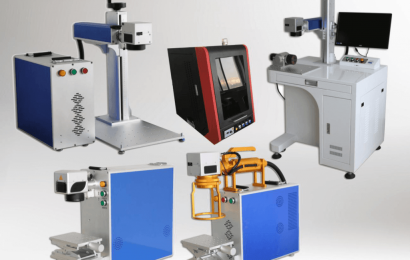

The rapid development of modern science and technology continues to date advanced scientific methods in the field of rust removal, which has enabled modern rust removal technology to achieve considerable development. There are many types of rust removal methods in modern manufacturing enterprises. The opportunities here are advanced and widely used. Analyze and compare the characteristics of the rust removal technology to enable the staff to gain a further understanding of modern rust removal technology, so as to continuously promote and improve the rust removal technology in modern industrial production in production practice.
High pressure water jet rust removal
The high-pressure water jet cleaning technology is a new technology that has developed rapidly since the 1970s. Its basic principle uses water as the medium, and high pressure is formed through a high-pressure water generator, and then the energy is concentrated and the speed is high through a special nozzle. Since the announcement of the first International Water Jet Conference in the UK in 1972, it has been held every two years. In 1978, the first Pacific International Water Jet Conference was held in Beijing. Among the research results published at the conference, among the practical technologies, high-pressure water jet cleaning technology occupies a considerable proportion, so the application of high-pressure water jet cleaning technology has broad prospects. In addition, international water jet conferences affecting penetration include the American Water Jet Conference, the Japanese Water Jet Conference and the Pacific Rim International Water Jet Conference. The principle of high-pressure water jet cleaning is to use a high-pressure pump to pump high-pressure water through the tube to the nozzle. The nozzle converts the low-pressure water into a low-pressure and high-pressure jet, which impacts the surface of the cleaned part in a positive or tangential direction, and the jet is on the scale layer or Sufficient pressure is generated on the sediment to transform and smash, and once the scale layer is penetrated by the fluid, it is inserted into the scale layer and the surface of the cleaning part in a wedge shape. Layered or porous scales are easily broken, because the impact of the jet stream can hit one hole, forming one below the surface of the scale layer and cracking the upper scale layer. In many jetting operations, the inclusion of crushed particles in the jet can help to produce more particles.
Compared with chemical rust removal, high-pressure water jet rust removal has the characteristics of no pollution to the environment, no corrosion of cleaning objects, high cleaning efficiency and energy saving, and it can effectively remove some special scales that are insoluble or insoluble in chemical agents. Water jet cleaning technology has become a rising star in the cleaning field, replacing traditional manual mechanical cleaning and partial chemical cleaning.
Pickling and rust removal
Pickling and rust removal methods are divided into: trough pickling and circulating pickling.
- Trough pickling method: The trough pickling method is to immerse the workpiece to be derusted in pickling solution, and achieve the purpose of rust removal through the reaction of acid solution and rust. This method is simple to operate, but the workload is large, and there is pollution in the secondary installation. It is suitable for simple pipelines and small lubrication pipelines that are easy to disassemble and assemble. The process flow is: one-time installation ~ disassembly ~ degreasing ~ water washing ~ pickling ~ neutralization ~ passivation ~ drying ~ oiling ~ secondary installation.
- Circulating pickling method: The cyclic pickling method is divided into off-line cyclic pickling and on-line cyclic pickling: ①Off-line cyclic pickling is to remove the workpiece to be derusted from the assembly line to form a loop for cyclic pickling. This method has a large workload and requires secondary installation and is easily polluted, but it is rarely used alone. It is generally used for pipelines with special locations, such as important equipment near the pipeline or as a supplement to online circulating washing. ②On-line circulating washing has the advantages of good effect, no secondary pollution, simple operation, etc. It has been widely used before and is becoming more and more perfect.
Ultrasonic descaling
The rapid development of surface treatment engineering began in the 1990s, and the ultrasonic technology was successfully applied to the multifunctional steel surface treatment process, which is a relatively advanced process technology in surface engineering at home and abroad. This technology integrates ultrasonic degreasing, rust removal, and phosphating. In addition to the characteristics of high purification degree of metal surface, fast purification and phosphating speed, low pollution and energy saving, it can better solve the problems of the edges, corners and holes of complex parts. Purify the phosphating problem. Advanced design, reasonable structure, stable performance, reliable operation, simplified process, reduced labor intensity of workers, and has achieved better economic benefits, especially the surface treatment before the use of paint, which has a broad promotion value and broad application prospects. Defects of rust removal: Acid mist is easy to produce when removing rust (oxidized scale), which is easy to cause strong corrosion of the workpiece. Adding acid mist and corrosion inhibitor to the pickling solution will reduce the force due to adsorption and ultrasonic removal. Rust is a weakly acidic surfactant that is easy to form compounds with metal ions such as Fe2 +, Fe3 +, Mn2 +, and inhibits corrosion of the surface state of the primary cell under the action of ultrasonic cavitation, which is not conducive to the phosphating in the next process. The surface of the workpiece after pickling is in good condition, and there is no over-corrosion phenomenon, and no acid mist is formed.
Sandblasting method
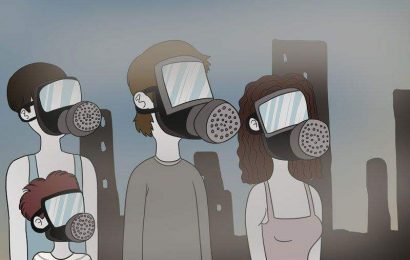
Sandblasting and rust removal technology refers to the use of a certain size of abrasive (in quartz sand, river sand, iron sand, iron shot, etc.), under a certain air pressure, sprayed onto the surface of the steel using the hardness, impact and edges of the abrasive itself. A corrosion protection construction method to remove rust on steel surface. Compared with other rust removal methods, this method has higher rust removal quality and better surface volume, and has higher rust removal efficiency for large equipment. However, its disadvantage is that the large amount of dust pollutes the environment and seriously endangers the health of operators. However, in actual work, especially in many important corrosion protection constructions, the requirements for rust removal on the steel surface are relatively high. There are regulations to meet the first or second level standards set by the Ministry of Chemical Industry, and only sandblasting can be used Meet the requirements. Otherwise, there are various defects in sandblasting and rust removal, and it is still widely used in corrosion resistance projects.
Laser rust removal
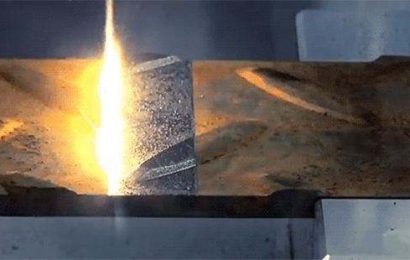
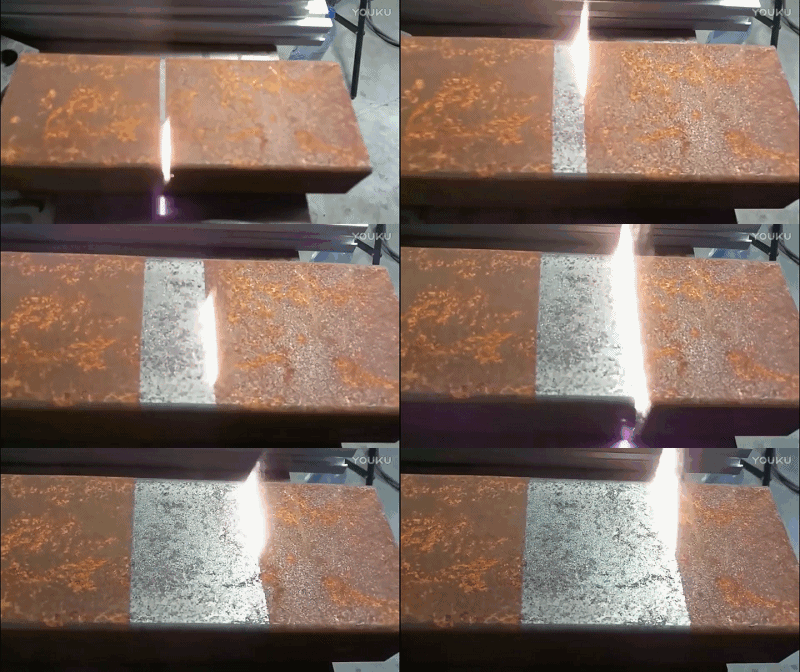
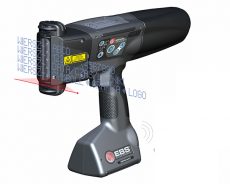
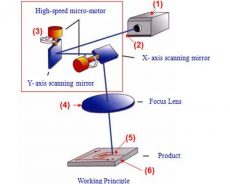
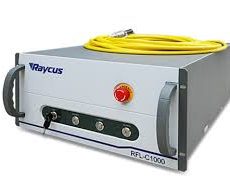
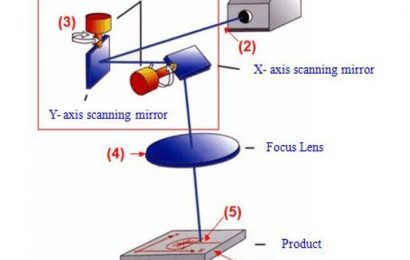
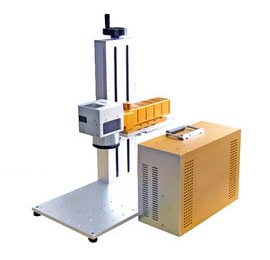
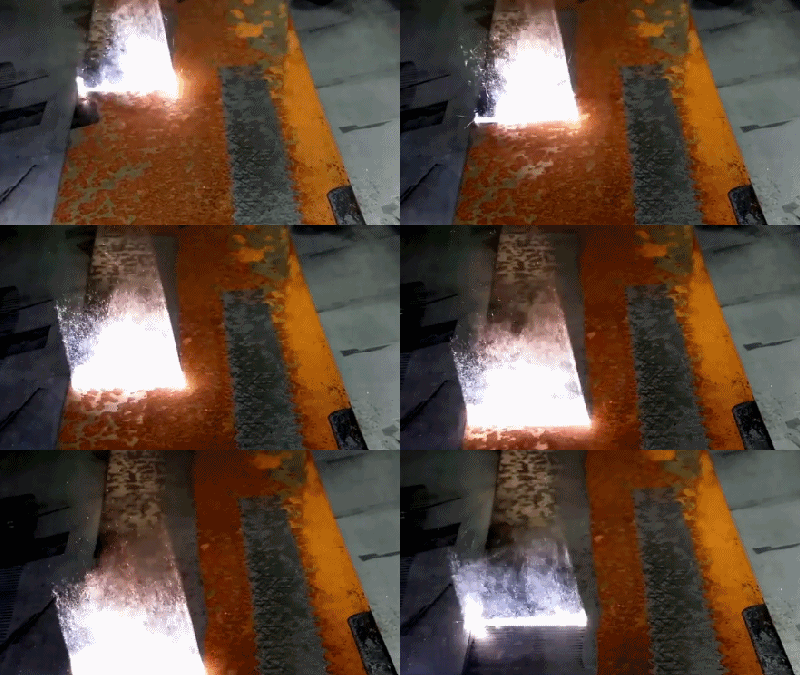
Laser cleaning technology refers to the process of using high-energy laser beams to irradiate the surface to cause the dirt, rust or coating on the surface to evaporate and separate instantly to achieve a clean process. Laser cleaning technology is a novel cleaning technology in many cleaning fields. Laser rust removal is an important application field of laser cleaning technology. Compared with traditional rust removal methods such as mechanical rust removal and chemical rust removal, it has the following characteristics: far clean Higher than the chemical cleaning process; applicable to a wide range of substrates; by adjusting the working parameters of the laser, on the basis of not damaging the surface of the substrate, it can effectively remove rust and make the surface look like new. Laser cleaning by laser rust removal equipment Technology is a “green” cleaning process that basically does not cause pollution to the environment. Laser rust removal shows a good application prospect in equipment maintenance. The laser cleaning mechanism is complex, so far there is no complete mathematical model that can describe it quantitatively, making laser cleaning more dependent on experiment and personal experience. In order to prevent the laser pulse irradiation time from being too long to cause damage to the substrate surface or too short to cause serious residue cleaning incomplete, traditional spectroscopic analysis technology, laser induced spectral attenuation analysis technology (L IBS), laser induced fluorescence spectroscopy technology (L IF) ), CCD optics is particularly important for real-time monitoring of sudden changes on the cleaned surface, which is related to the practical application of laser rust removal technology. The sound wave signal generated during the laser rust removal process contains a large amount of information about the cleaning process, which can be used for real-time monitoring, using the crackling sound generated during the short-pulse laser cleaning process. An expert system based on fuzzy control theory using acoustic signals can predict the cleaning process and cleaning results, and estimate the possible damage to the substrate surface.
Rust removal method
This method uses high-tech conversion rust and anti-rust primer to integrate rust removal and rust prevention. It is a uniform system composed of rust conversion components, antioxidant and rust prevention components, film-forming components, plasticizing driers, and solvents. . It has many superior properties, can directly form rust into an anti-oxidation paint film, prolongs the continuity, is not easy to age, the solvent is deposited, non-toxic, no odor, strong fire resistance, paint and paint film are not burning. In the application process, it is different from the old method of rust removal technology such as manual, mechanical, pickling, etc. It changes the working hours of rust removal and reduces the cost of rust removal. There is no “three wastes” generated during the use process, which improves working conditions. , It protects the health and safety of workers and avoids environmental pollution caused by the old rust removal process.
Through the analysis and comparison of the above several rust removal technologies widely used in modern industrial enterprises, we can see their respective advantages and limitations and the development direction in the application field. Based on the above understanding, the staff can according to the actual site Under the circumstances, give full play to the advantages of various rust removal technologies, continuously improve and develop rust removal methods, and further enhance the utilization of modern advanced science and technology in the field of rust removal.