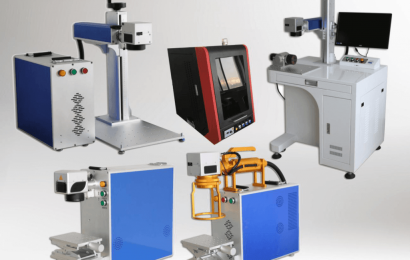

In today’s rapid economic and social development, it is inseparable from the progress of science and technology, which affects people’s production and life everywhere. Laser technology is one of them. For example, scanning codes in supermarkets, printers in offices, surgical equipment in hospitals, televisions in homes, screens in movie theaters, etc., lasers are used everywhere. Also in the manufacturing industry, laser technology is also widely used, such as laser marking machines, laser welding, laser cutting, laser repair, laser ranging, etc. The development of laser technology is also being updated year by year, especially the laser cleaning technology that has emerged in recent years, like a whirlwind, sweeping the traditional cleaning industry. This new technology has grown rapidly in just a few years. The field of application Constantly expanding, with its own advantages and irreplaceability, it has gradually replaced the traditional cleaning process in many fields.
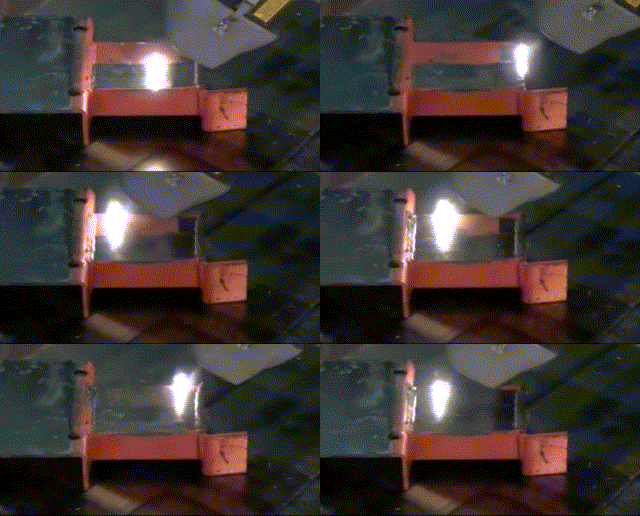
Let me talk about traditional cleaning. At present, it is mainly divided into mechanical cleaning, chemical cleaning, and ultrasonic cleaning. People’s awareness of environmental protection has increased year by year. In recent years, my country has issued many environmental protection laws and regulations. Chemical cleaning that produces pollution can no longer adapt to the development of my country’s manufacturing industry, and some mechanical cleaning methods also affect the environment and the monitoring of operators, such as sandblasting operations. How to find a cleaner and non-damaging cleaning method is a problem we have to consider.
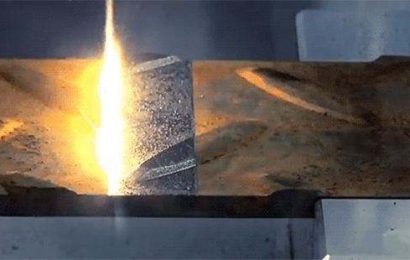
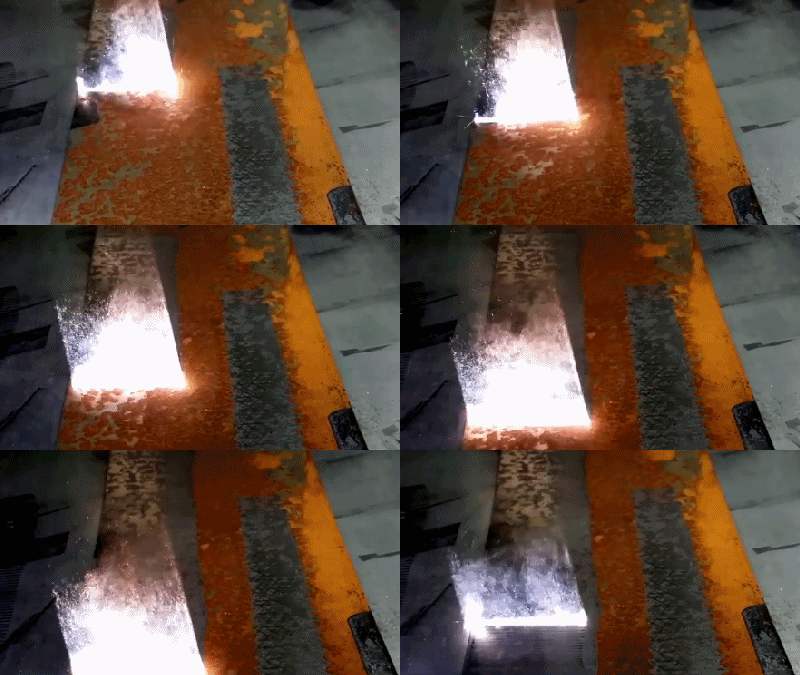
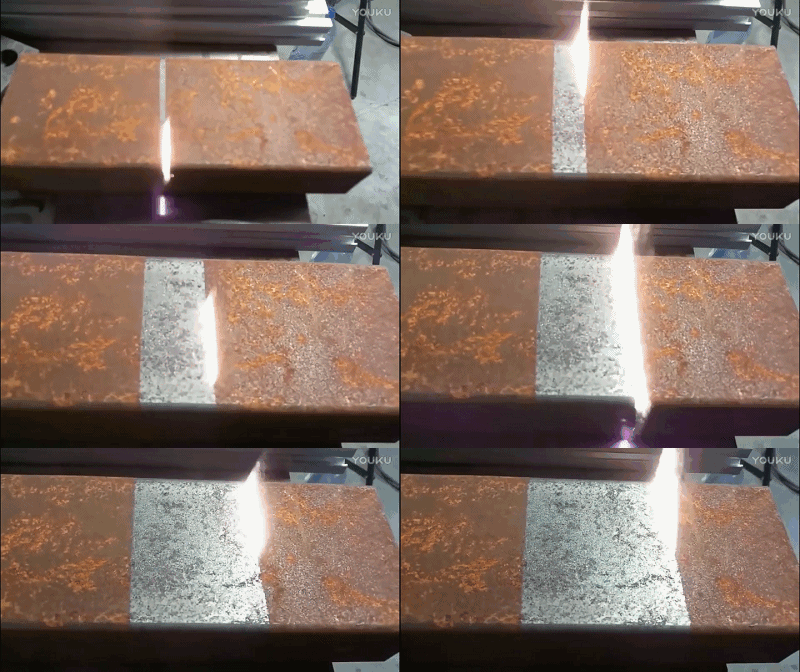
Laser cleaning technology solves the above problems very well. Because of its advantages of non-polluting environment, high efficiency, simple operation, and automatic control, it has the characteristics of non-grinding, non-contact, and non-damaging substrate cleaning in surface treatment. It is considered the most reliable and effective solution. Laser cleaning effectively solves the problems of rust removal, decontamination, polishing and polishing of the material surface during use. Laser technology is an innovator of traditional processes. Because its cleaning accuracy has reached the sub-micron level, these tiny attached particles can be easily removed, which cannot be handled by the traditional process. However, it is very effective to clean the surface of the workpiece with nano laser radiation. Also, because the laser cleans the workpiece without contact, it is very safe to clean the precision workpiece or its fine parts, and its accuracy can be ensured. Therefore, laser cleaning has unique advantages in the cleaning industry.
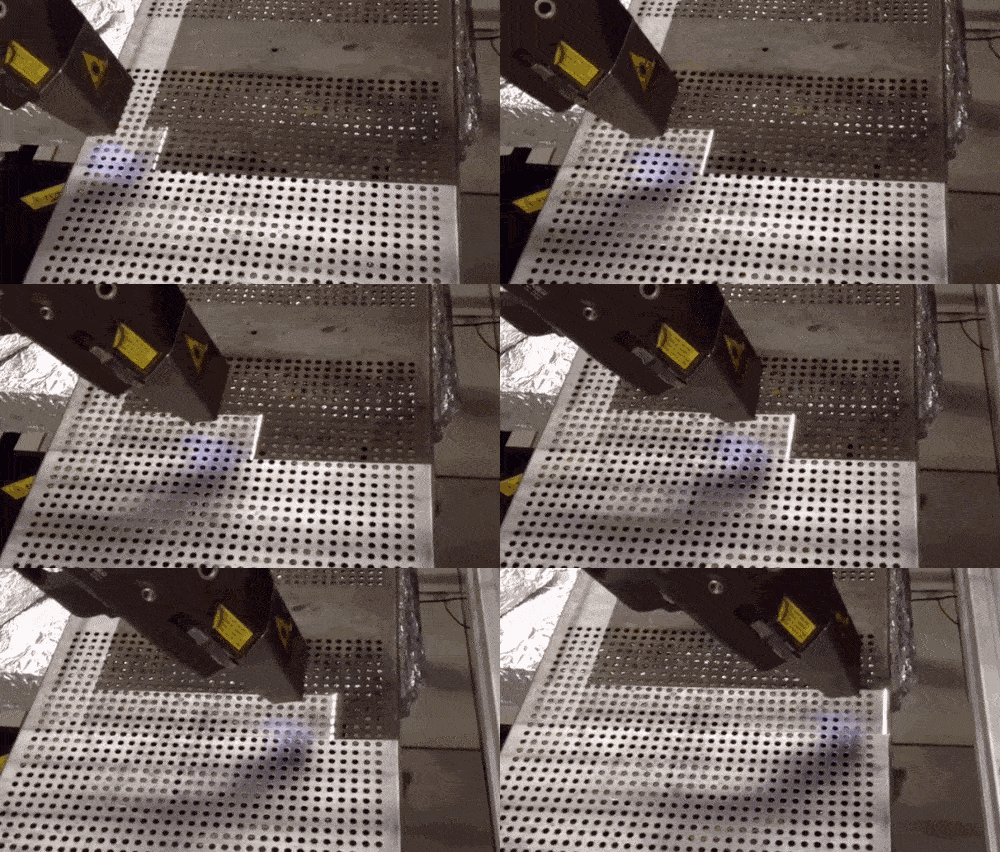
The quality of welding and bonding on powertrain components is first-rate, and it is necessary to clean the joint surface before welding and bonding. Laser is an efficient cleaning tool that can remove all traces of residual grease.
In the manufacturing process of components, drawing lubricants or cooling lubricants and anti-rust oils are often used. These residues will contaminate components. These organic substances are difficult to find and clean up in time, but they will seriously reduce the subsequent high-energy bonding or bonding. The quality of the process. Especially in the highly automated manufacturing environment of the automotive industry and its suppliers, the standards of component quality and reliability have been improving. Now surface contamination detection has become an indispensable link in the production process. Laser cleaning can effectively solve these attachments, as long as the beam passes through, remove all residues without harming the components.
Traditional processes are time-consuming, labor-intensive, and costly. Most of them are manual operations, which are difficult to automate. They can also cause surface damage to materials, thereby reducing quality, and environmental pollution, which affects people’s health. In accordance with VDA19 and other standards and corresponding ISO guidelines, a unified inspection procedure for particulate contamination of automotive functional components has been established. Recently, more attention to liquid contamination has made laser cleaning the protagonist. The pulsed laser can quickly evaporate the residual liquid in the target area, the effect is measurable, repeatable, and the process is environmentally friendly and can be automated.
Laser cleaning range includes inorganic and organic substances, such as metal corrosion, attachments on metal surfaces, dust, etc. Specific applications are in the cleaning of molds, cleaning of weapons and equipment, the removal of old aircraft paint, the cleaning of building exterior walls, the cleaning in the electronics industry, the precision deester cleaning in the precision machinery industry, the cleaning of the pipelines in the reactor of nuclear power plants and other fields, laser cleaning, etc. And so on, laser cleaning has already played a role in these fields, and it has been well received by corporate users.
Laser cleaning is still developing, new products are constantly being introduced, and the application market is still expanding, such as automobile manufacturing, semiconductor wafer cleaning, precision parts processing and manufacturing, military equipment cleaning, building exterior wall cleaning, cultural relics protection, circuit boards Cleaning, precision parts processing and manufacturing, LCD cleaning, chewing gum residue removal and other fields. Laser cleaning technology is an ideal process for surface treatment of materials and effectively solves the problems of industrial rust removal, decontamination, polishing and grinding.